by Tarah Kesterson, Clean Communities and Economic Development Director for Southwest Virginia
Two Washington Counties, two school leaders and two fleet managers came together in February with a shared focus: exploring the transition from diesel to propane-powered school buses.
Virginia Clean Cities, a nonprofit organization dedicated to advancing alternative fuels and cleaner transportation options, facilitated a conversation with Washington County, Virginia Public Schools about what a shift to propane could mean for its fleet. While presentations and data are helpful, school leaders agreed that seeing the technology firsthand offers valuable perspective.
To make that possible, Virginia Clean Cities partnered with Alliance AutoGas, a member organization that supplies propane autogas across Southwest Virginia and Northeast Tennessee. Alliance AutoGas connected Washington County, Virginia, school officials with Washington County, Tennessee Schools—an existing propane bus customer located less than an hour away—for a hands-on visit in Jonesborough, Tennessee.
Nearly Six Years of Experience with Propane
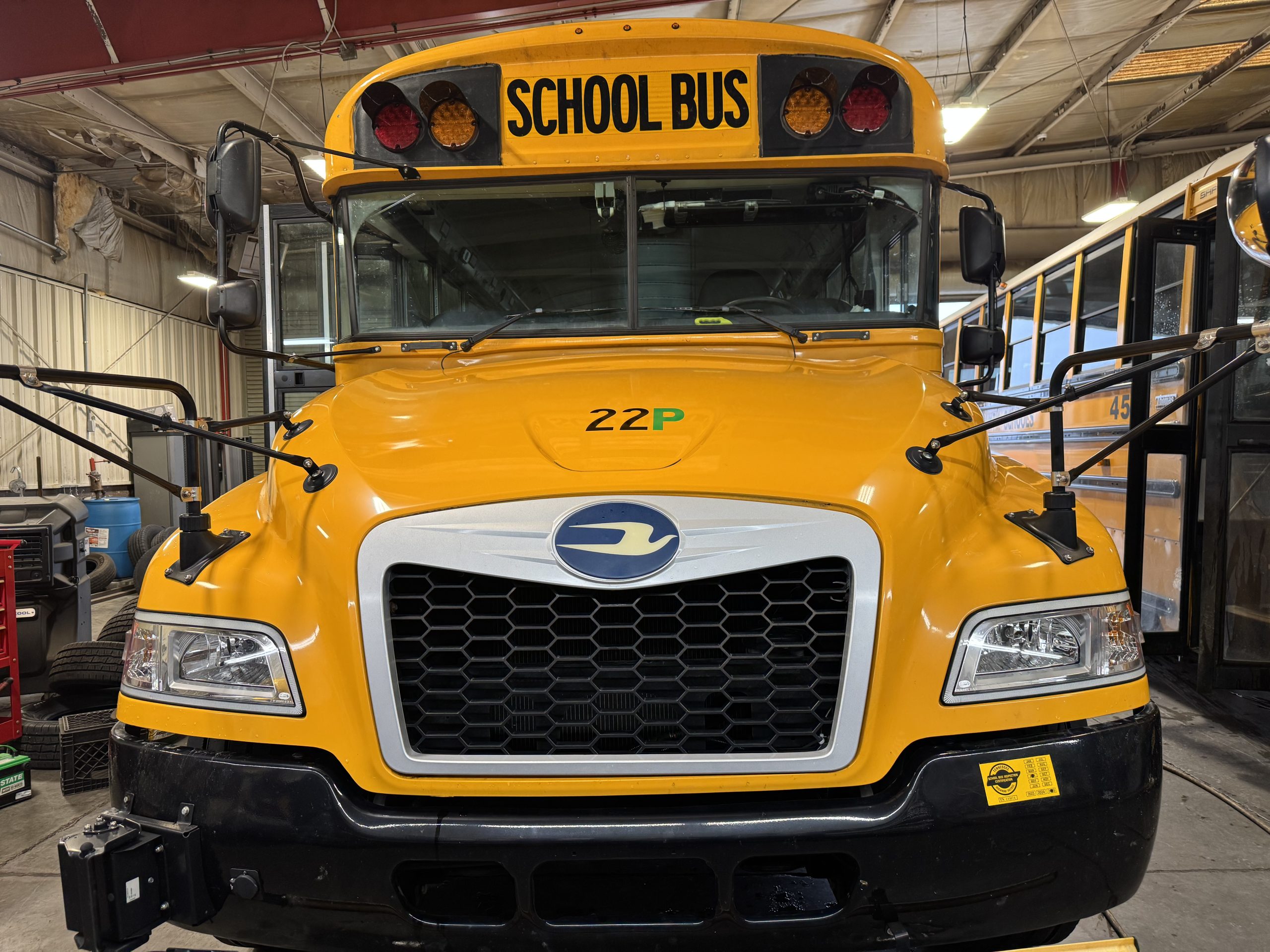
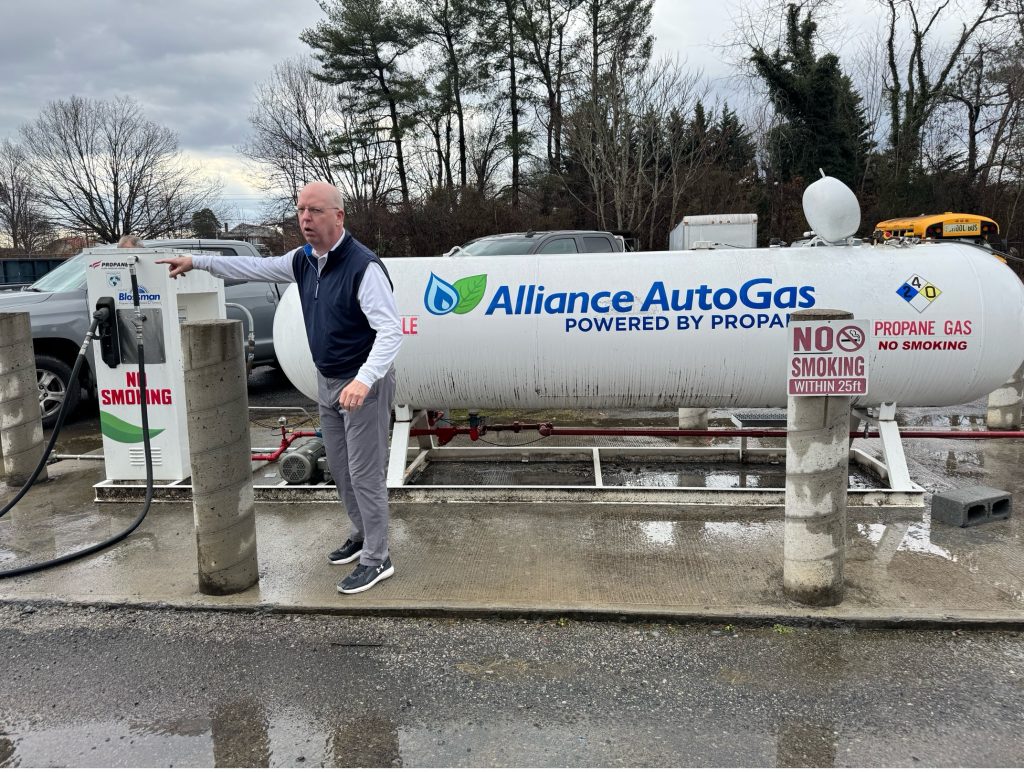
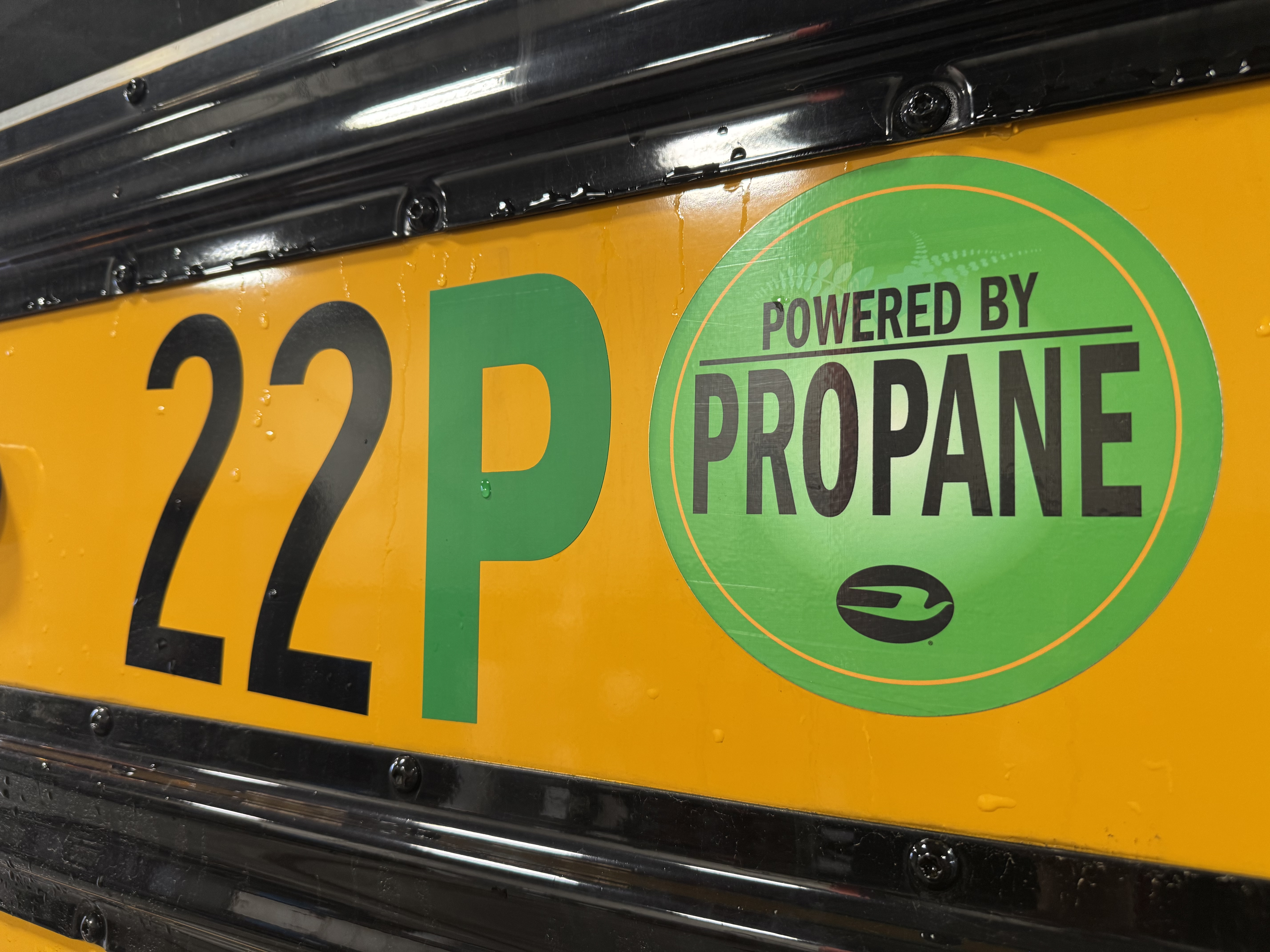
Washington County, Tennessee Schools began integrating propane buses into its fleet in 2020. Today, 21 propane buses transport students across the county, supported by three on-site fueling infrastructure at multiple school facilities- which were provided and are maintained by Alliance AutoGas.
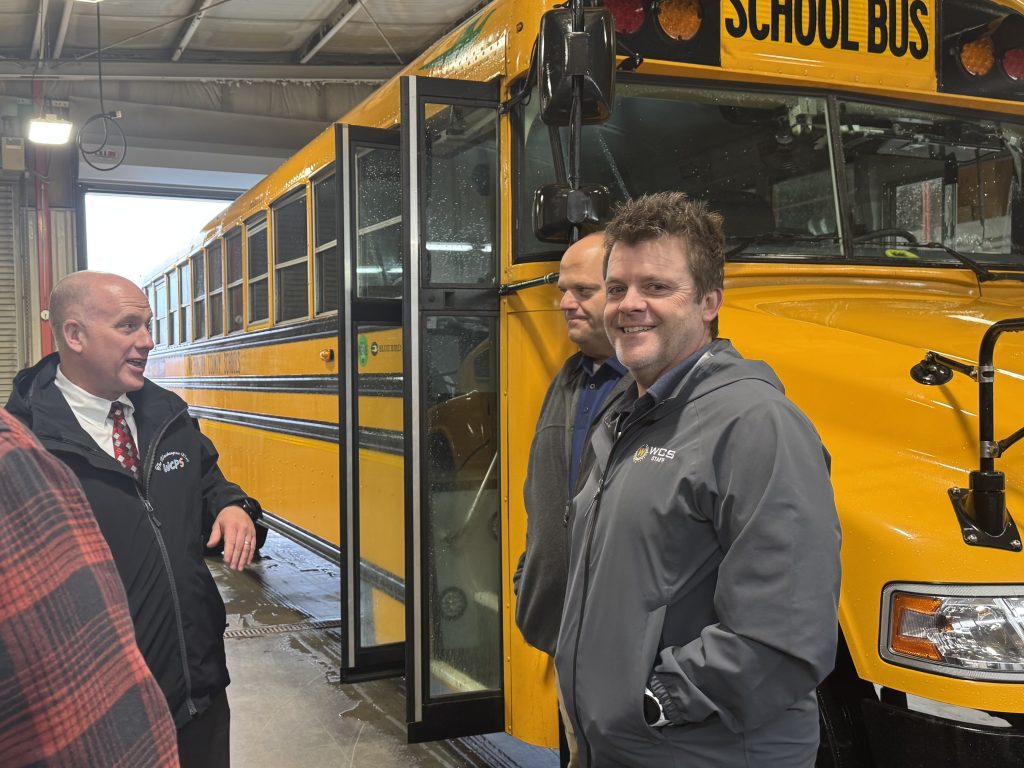
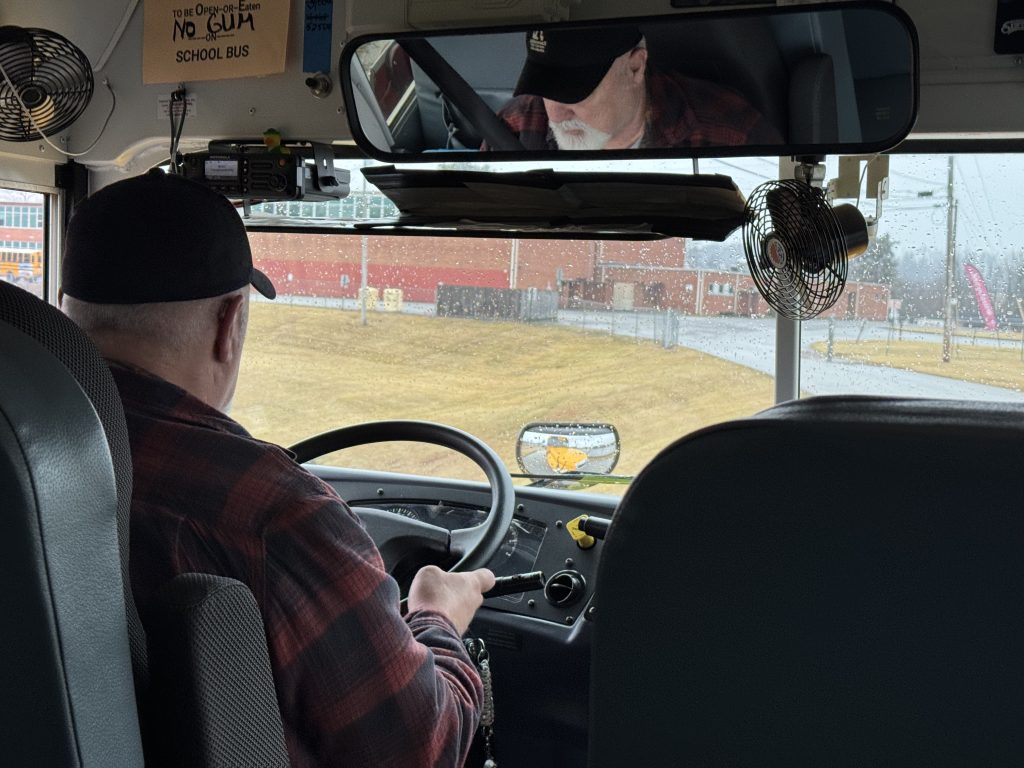
During the visit, Virginia school officials toured the transportation garage, examined fueling stations and inspected the propane-powered buses in operation. School leaders and fleet staff shared their experience transitioning from diesel to propane.
According to transportation officials, the propane-powered Blue Bird buses operate more quietly and provide a smoother ride. Parents have also offered positive feedback, noting reduced diesel odor and potential health benefits for students—particularly those with respiratory conditions such as asthma.
Fleet Manager Tony Roberts said the transition in the maintenance garage was straightforward. Mechanics required minimal additional training, and propane buses have spent less time out of service compared to their diesel counterparts.
Planning for the Road Ahead
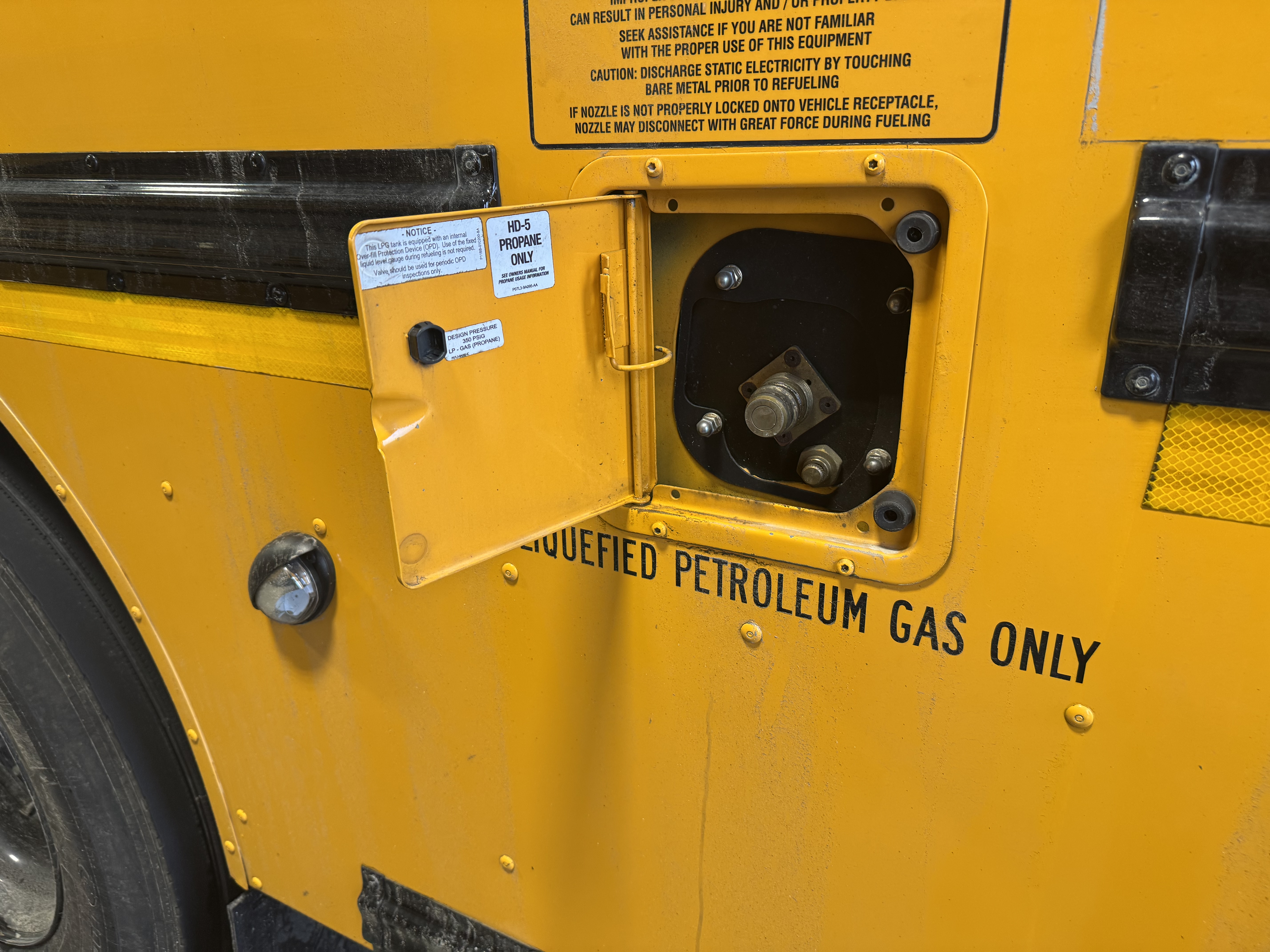
School leaders acknowledged one challenge: planning longer trips requires additional coordination since propane fueling stations are not as widespread as diesel. Alliance AutoGas supports fleet customers with access to fueling locations at partner sites, nationwide, through an Alliance AutoGas card. In addition, the U.S. Department of Energy’s Alternative Fuels Data Center maintains an online station locator to help fleets identify public propane fueling stations when traveling outside their primary service areas.
Evaluating Costs and Environmental Benefits
Fuel cost remains a key factor for school systems operating large bus fleets. According to Alliance AutoGas, propane prices in the Southwest Virginia and Northeast Tennessee region currently range from $1.85 to $1.91 per gallon, compared to approximately $3.70 per gallon for diesel in the same region, as reported by the U.S. Energy Information Administration.
While propane buses average about four miles per gallon compared to diesel’s roughly six miles per gallon, long-term financial analysis suggest overall savings. A 2025 report examining propane bus deployment in Minnesota found that school systems saved an average of $43,500 over the lifetime of a propane bus—a measure known as Total Cost of Ownership. Savings stem not only from lower fuel costs but also from reduced maintenance expenses, as propane burns cleaner and produces fewer engine deposits.
The report also highlighted environmental benefits, including significant reductions in particulate matter, nitrogen oxides and greenhouse gas emissions compared to diesel.
Looking Forward
Following the visit, Washington County, Tennessee Schools announced plans to purchase additional propane buses this year, with the long-term goal of replacing its remaining diesel buses over time. The district is also diversifying its fleet by adding an electric school bus, further expanding its commitment to cleaner transportation options.
The field trip to the Jonesborough bus garage provided valuable insight into how propane buses operate in real-world conditions. As districts across the region evaluate fleet modernization strategies, collaboration and shared experience continue to play a critical role in informed decision-making.