
Take the Survey: energy.virginia.gov/va-energy-plan.
Virginia’s energy needs are growing, and the choices we make now will shape electricity bills, grid reliability, and our environment for years to come. The 2026 Virginia Energy Plan establishes the administration’s energy priorities and sets the course for the next decade for how the Commonwealth will affordably meet demand while maintaining reliability and working towards a net-zero carbon energy economy for all sectors by no later than 2045.
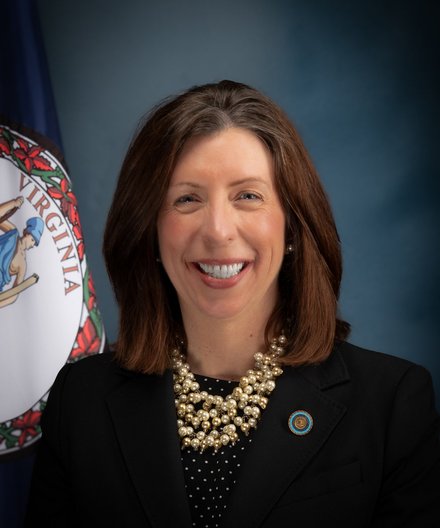
“Maintaining Virginia’s economic competitiveness depends on getting our energy priorities right: how we manage costs for communities and businesses, how we plan for grid capacity to support growth, and how we keep Virginia a place where industry confidently invests,” said Secretary of Commerce and Trade Carrie Chenery.“By engaging directly with the business partners that keep our Commonwealth moving forward, the 2026 Virginia Energy Plan will set clear priorities for realistic results and keep the Commonwealth the best place in the country to invest and grow.”
The Energy Plan will describe current and emerging energy trends, identify challenges and opportunities across the energy system, and identify strategies over a ten-year period consistent with the 2045 net-zero carbon energy economy for all sectors. The Commonwealth is required by law to develop a comprehensive strategy with input from industry professionals, engineers, scientists, advocates, state agencies, and the ratepayers who rely on our energy system every day. The plan will inform energy-related decision-making across the Commonwealth.
Tell Virginia Energy what you think should be prioritized in Virginia’s energy future. The survey takes approximately 10 minutes to complete and is open through July 31, 2026.
Virginians can share their perspectives through a public input survey, now open. The survey will remain open through July 31, 2026.
Alongside the public survey, Virginia Energy is hosting regional meetings across the Commonwealth and conducting targeted engagement with state agencies, utilities, industry representatives, advocacy organizations, local governments, and community organizations through virtual stakeholder sessions through late June.
“We are committed to an open, accessible process that gives every resident, community, and organization a meaningful opportunity to engage,” said Virginia Energy Acting Director Michael Skiffington.“The perspectives we gather over the coming months will shape not just what this plan includes, but how the content will be understood and trusted across the Commonwealth.”
“Virginia is at an inflection point,” said Virginia Chief Energy Officer Josephus Allmond. “Demand is rising rapidly, costs are climbing, and the choices we make over the next several months will shape the energy system Virginians depend on for the next decades. Ratepayers will play an ever-increasing role in a cleaner, more distributed, and more flexible grid, which is why their input is so vital to this process. We are committed to hearing from ratepayers, businesses, local governments, utilities, and community organizations across every region — to ensure all needs are met.”

Because energy touches every part of state government, the 2026 VEP is being developed in coordination with secretariats across the administration:
- Agriculture and Forestry will elevate the voices of farmers, forest landowners, and rural communities, ensuring the plan reflects rural energy needs and the opportunities of land use and bioenergy.
- The Department of Health and Human Resources will bring a focus on affordability and public health, ensuring the plan supports home energy security for low-income and vulnerable Virginians.
- The Department of Environmental Quality will bring expertise on air and water quality and environmental justice, ensuring the plan accounts for the health and pollution burdens that energy infrastructure can place on overburdened communities.
- The Department of Natural and Historic Resources will bring expertise on environmental quality, conservation, and resilience, ensuring the plan weighs the protection of land, water, and cultural and historic resources as new energy infrastructure is sited and built.
- The Department of Transportation will bring perspective on how Virginians and goods move, ensuring the plan accounts for transportation energy, electrification, and the fueling and charging infrastructure the Commonwealth’s economy depends on.
To learn more, sign up for updates, and participate in the 2026 Virginia Energy Plan process, all Virginians are encouraged to visit energy.virginia.gov/va-energy-plan.